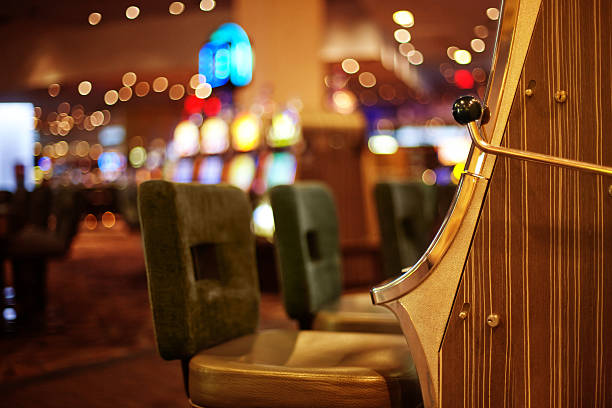
The appeal of casino gambling is intricately linked to various psychological factors. At its core, many individuals are captivated by the thrill of uncertainty, where high stakes and unpredictable outcomes provoke excitement. This unpredictability triggers the brain’s reward system, generating feelings of pleasure and exhilaration. When someone wins, the release of dopamine—a neurotransmitter associated with pleasure—reinforces the gambling behavior, making them more likely to return for another chance at winning, especially if they are drawn to options like ontario online casino fast withdrawal , which enhance the overall experience. This cycle of risk and reward becomes a powerful motivator, driving individuals back to the gaming tables time and again.
Moreover, the social dynamics of gambling play a crucial role in its allure. Many people relish the communal aspect of playing games with others, whether in vibrant physical casinos or through online platforms. This social setting fosters connections and can satisfy a fundamental human need for belonging. The shared excitement with fellow gamblers, coupled with a sense of competition, enhances the emotional highs associated with winning. This blend of personal thrill and social interaction creates a compelling reason for individuals to engage in gambling activities, often resulting in a deeper emotional investment.
Additionally, the need for escapism significantly contributes to the appeal of gambling. Many individuals turn to the casino environment as a means to temporarily escape from the stressors of everyday life. The lively atmosphere, characterized by flashing lights, captivating sounds, and engaging activities, provides an immersive experience that allows players to forget about their problems, even if just for a short time. This desire for temporary relief can lead to extended gambling sessions, as the stimulating environment continually lures participants back to relive those exhilarating moments.
The Role of Cognitive Biases in Gambling Behavior
Cognitive biases significantly influence how gamblers perceive their chances of winning and losing. One prevalent bias is known as the “gambler’s fallacy,” which refers to the erroneous belief that past outcomes can affect future events. For instance, after a roulette wheel lands on red multiple times consecutively, a player might mistakenly conclude that black is now “due” to appear. This flawed reasoning can lead to increased betting and a misunderstanding of the actual odds, resulting in greater losses over time as the gambler chases perceived patterns that do not exist.
Another critical cognitive bias affecting gambling behavior is overconfidence. Many gamblers overestimate their comprehension of games and underestimate the house edge, creating a false sense of control over outcomes. This illusion often drives players to make larger bets, believing they can influence the results through skill or intuition. For example, poker players might think their expertise gives them an edge, failing to acknowledge that statistical odds still favor the house. This overconfidence can lead to reckless gambling behavior and substantial financial losses, as individuals may not recognize when their luck has run out.
Furthermore, selective memory plays a significant role in reinforcing gambling behavior. Gamblers often remember their wins more vividly than their losses, creating an inflated perception of their success. This distorted recollection encourages the belief that they can consistently win, despite evidence suggesting otherwise. Casinos exploit this cognitive bias by showcasing big wins and promoting stories of fortunate players, subtly influencing new gamblers to believe they, too, might strike it rich. This cycle of optimism and selective memory often traps players in a cycle of continued gambling, even when the odds are not in their favor.
The Impact of Environment on Gambling Decisions
The environment within casinos is deliberately designed to enhance the gambling experience and encourage players to spend more time and money. Upon entering, players are enveloped in a sensory-rich atmosphere that heightens emotions and stimulates the desire to play. Bright lights, captivating soundscapes, and enticing aromas—often wafting from nearby restaurants—are strategically utilized to create an inviting ambiance. This carefully curated environment keeps players engaged and can sometimes lead them to lose track of time and money spent, as the excitement of the games takes precedence over practical considerations.
Moreover, the physical layout of casinos is intentionally disorienting. By avoiding conventional structures, casinos often create a labyrinthine effect that makes it challenging for players to navigate their surroundings. The absence of windows and clocks further contributes to this disorientation, making it easy for gamblers to lose track of time. As a result, players may find themselves spending excessive amounts of time gambling, as the focus remains on the thrill of the game rather than the reality of the hours slipping away.
Finally, casinos utilize rewards programs and promotions to incentivize gambling behavior. Loyalty programs are designed to create perceived value for players, offering perks such as complimentary meals, hotel stays, or bonus funds for gambling. This strategy is rooted in the psychological principle of reciprocity, where individuals feel compelled to reciprocate favors received. As players enjoy these incentives, they are more likely to spend additional time and money at the casino, reinforcing the cycle of gambling behavior and making it even harder to resist the temptation to play.
Managing Gambling Addiction: Recognizing the Signs
Recognizing the signs of gambling addiction is crucial for early intervention and support. Many individuals may not realize that their gambling has evolved from a recreational activity into a problematic one. Common indicators include an inability to control the urge to gamble, spending excessive time gambling, and neglecting personal responsibilities or relationships. These behaviors can lead to significant emotional distress and exacerbate other mental health issues, such as anxiety and depression, making it essential for individuals and their loved ones to be vigilant about the warning signs of gambling addiction.
Another critical sign of gambling addiction is the pattern of chasing losses. Gamblers often attempt to recover lost money by increasing their bets, which frequently results in even larger losses. This dangerous cycle can create severe financial consequences, as individuals may prioritize their gambling impulses over essential needs. Furthermore, the stigma surrounding gambling addiction can prevent individuals from seeking help, leading to isolation and despair. Open discussions about the risks of gambling can help mitigate this stigma and encourage individuals to reach out for assistance when necessary.
Lastly, it is vital to explore available resources for those struggling with gambling addiction. Numerous organizations and support groups provide confidential assistance and coping strategies for compulsive gambling. Therapeutic approaches, such as cognitive-behavioral therapy, can address underlying issues and help individuals regain control over their gambling habits. By promoting awareness and understanding, individuals can find the support they need and work towards recovery, recognizing that it is possible to establish a healthy relationship with gambling.
The Future of Gambling and Online Casino Dynamics
The rise of online casinos has dramatically transformed the gambling landscape, introducing new dynamics that reflect changing consumer behaviors and technological advancements. With the convenience of accessing online platforms from home, players can engage in gambling activities with greater ease, amplifying both the appeal and risks associated with this form of entertainment. This accessibility can lead to increased participation in gambling, but it also blurs the lines between casual and problematic gambling, underscoring the need to understand the psychological implications of these shifts.
Moreover, online casinos employ advanced algorithms and data analytics to tailor experiences to individual users, enhancing engagement through personalization. By analyzing player behavior, these platforms can create customized experiences that resonate with users, increasing the likelihood of developing compulsive behaviors. The targeted marketing tactics used by online casinos can foster a false sense of connection, making it challenging for individuals to recognize when their gambling habits may be veering into unhealthy territory. This evolution in gambling dynamics necessitates a heightened awareness of the psychological effects of online gambling.
Ultimately, as the gambling landscape continues to evolve, it becomes crucial for players to maintain self-awareness and understand the potential psychological effects of their engagement with gambling activities. Staying informed, setting personal limits, and acknowledging individual motivations can help individuals cultivate a healthy balance with gambling. The future of gambling hinges on responsible gaming practices and awareness, ensuring that enjoyment does not transition into addiction.
Whale watching has become a popular activity that allows people to observe these majestic creatures in their natural habitat. As tourism evolves, numerous whale watching